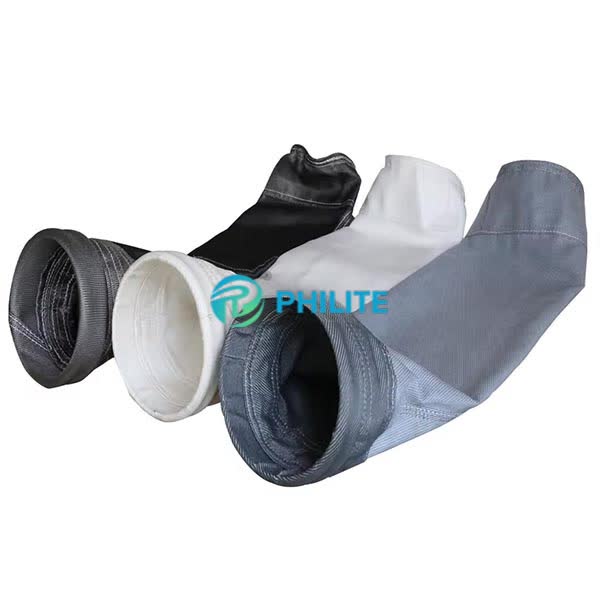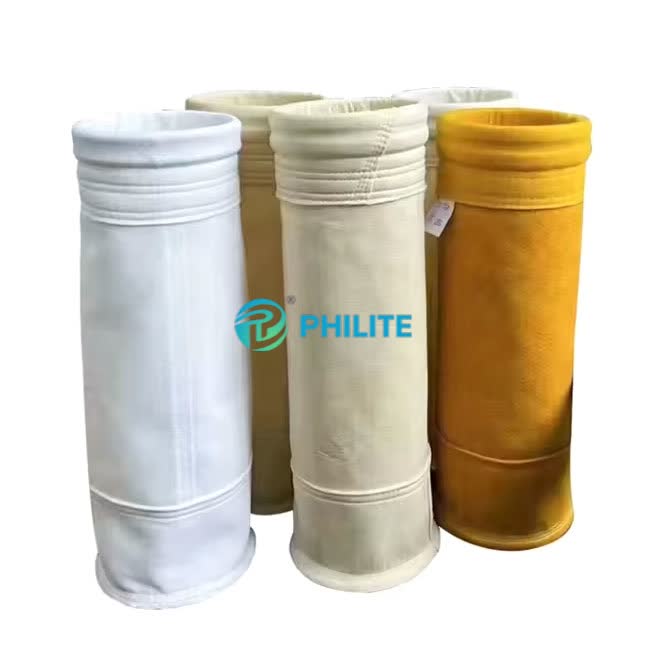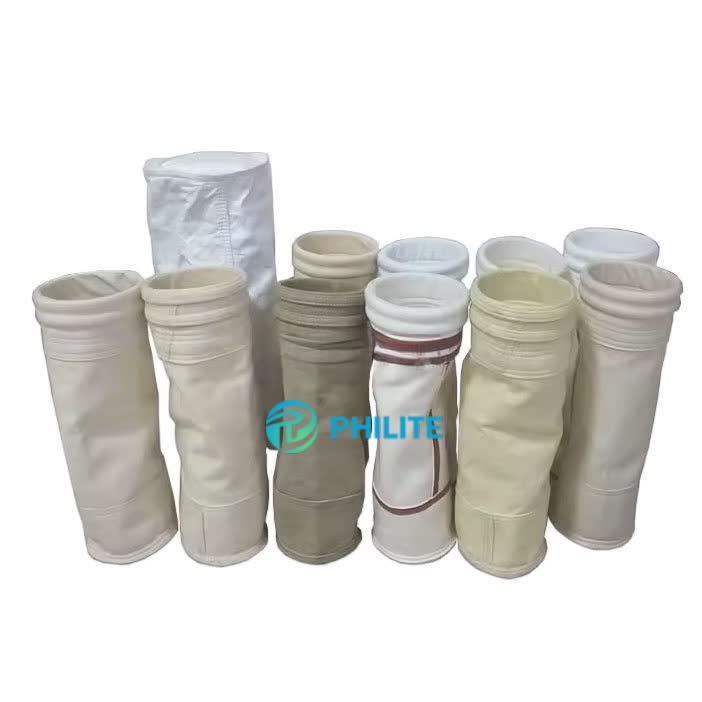
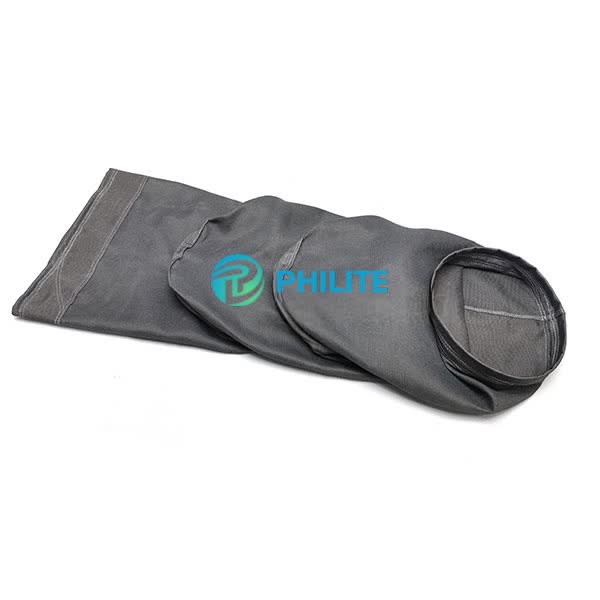
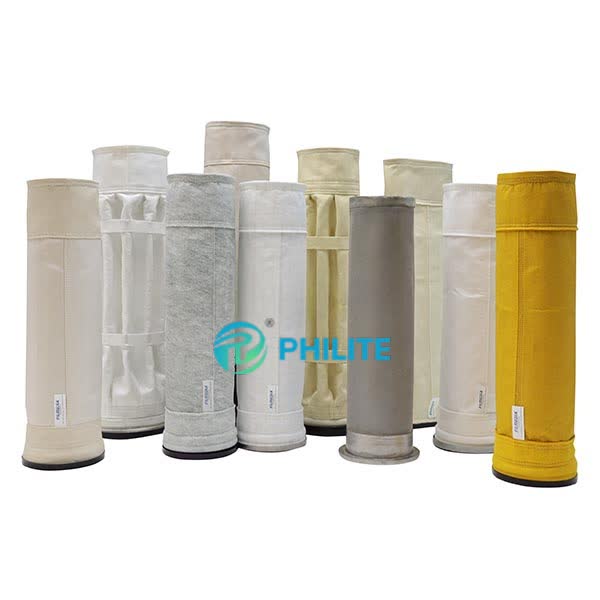
Filter Bags for Power Plants
During the power generation process, especially when burning coal, oil or gas, a large amount of smoke, dust and tiny particles will be generated. If not treated, these pollutants will be directly discharged into the atmosphere, causing serious air pollution and affecting human health and the ecological environment. The main reasons why power plants use filter bags are to control and reduce particulate matter emissions in exhaust gases, protect the environment, ensure compliance with emission standards, and maintain the operating efficiency of power generation equipment.
Filter Bag Material
- PPS (Polyphenylene) needle felt.
- Nomex (Aramid) needle felt.
- PTFE (Teflon) needle felt.
- Fiberglass needle felt.
- P84(Polyimide) needle felt .
Product Description
Filter bags for power plants are typically used in baghouse filtration systems to capture particulate emissions from combustion processes. These filter bags are designed to handle high temperatures and the fine particles produced by the burning of coal, biomass, or other fuels. These filter bags are essential for reducing emissions and maintaining environmental compliance in power generation processes.
 The filtration principle of filter bags in power plants primarily relies on surface filtration and depth filtration mechanisms. These processes help capture particulate matter (PM) and other pollutants generated during combustion.


The filtration principle of filter bags in power plants primarily relies on surface filtration and depth filtration mechanisms. These processes help capture particulate matter (PM) and other pollutants generated during combustion.
Materials and Performance
| Filter Bag Material | Max Continuous Temperature | Max Short-Term Temperature | Acid Resistance | Alkali Resistance | Oxidation Resistance |
| PPS (Polyphenylene Sulfide) | 190°C (374°F) | 230°C (446°F) | Excellent | Fair | Fair |
| Nomex (Aramid) | 204°C (400°F) | 240°C (464°F) | Good | Fair | Poor |
| PTFE (Teflon) | 250°C (482°F) | 280°C (536°F) | Excellent | Excellent | Excellent |
| Fiberglass | 260°℃ (500°F) | 300°C (572°F) | Good | Poor | Fair |
| P84(Polyimide) | 260°C (500°F) | 280°C (536°F) | Excellent | Fair | Fair |
Notes:
- Acid Resistance: Ranges from poor, fair, good, to excellent.
- Alkali Resistance: Shows how well the material can resist alkaline environments.
- Oxidation Resistance: Indicates how the material performs in oxidative atmospheres, important for handling high-temperature gases.
Philite® – Dust Collection Filter Bags Manufacturer
Philite® dust collection filter bags achieve 99.9% filtration efficiency, capturing even submicron particles. They significantly reduce particulate matter emissions, ensuring compliance with environmental standards and helping power plants control air pollution.Related Products