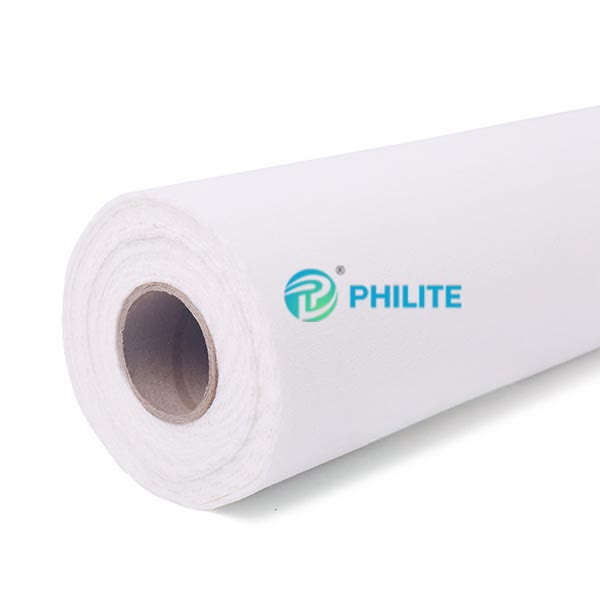
Polypropylene Needle Felt Filter Cloth
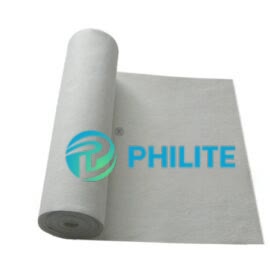
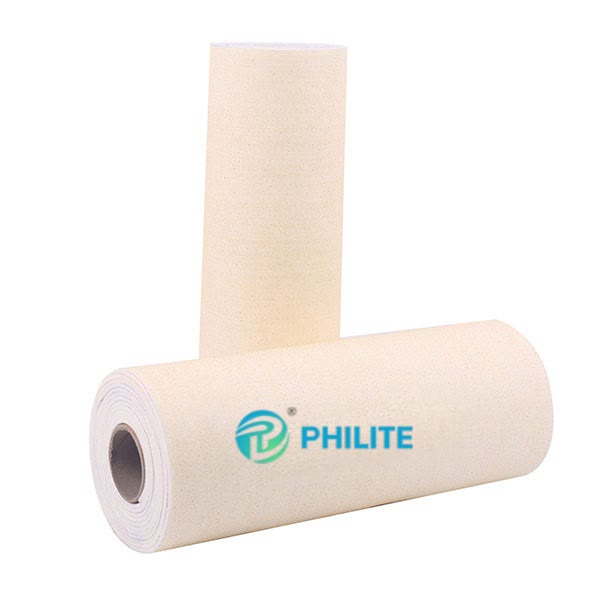
Polypropylene needle felt filter cloth is one of the most commonly used materials for making liquid filter bags. Polypropylene needle felt is a specific type commonly used in industrial filtration applications. It is a non-woven fabric made by mechanically needling polypropylene fibers, which has good filtration performance and durability. This type of needle felt is mainly used for the filtration and separation of solid particles, liquids or gases. Its production process is similar to the general needle felting production, but the material of choice is polypropylene fiber.
Learn More About Polypropylene Filter Bags
- Material: Non Woven Polypropylene Fabric.
- Thickness: 2.0-3.8mm.
- Filtration accuracy: 0.2/1/5/10/25/50/100/150/200/300um.
- Color: White.
- Usage: Liquid Filter.
- Type: Non-woven Filter.
- Diameter & Length: Accept customization.
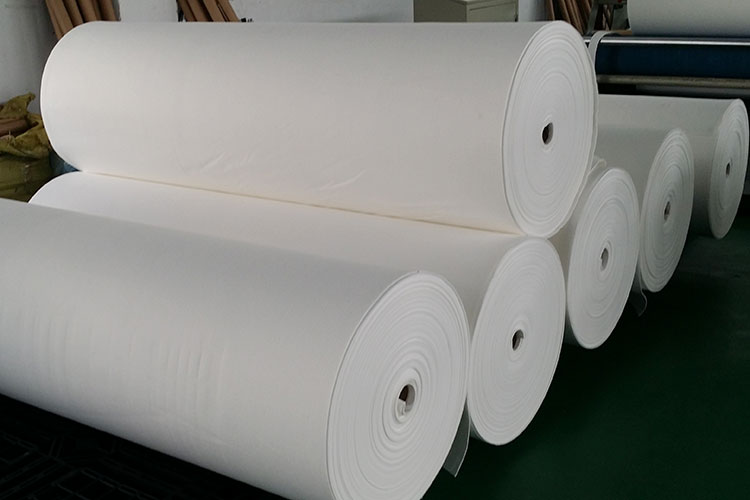
- Capacity: Capable of manufacturing standard PP needle felt 15,000 m²/day.
Learn More About Polypropylene Filter Bags
Product Description
Features of Polypropylene Needle Felt Filter Cloth
- Chemical Stability: It has strong chemical stability and can work in various chemical environments without being corroded.
- Abrasion Resistance: Polypropylene fiber is relatively wear-resistant, so that the filter needle felt can maintain good performance in long-term use.
- Low Water Absorption: It has very low water absorption, so it maintains stable filtration performance even in wet conditions.
- Dimensional Stability: It is less sensitive to changes in temperature and humidity, which helps filter needle felt maintain stable dimensions and performance in various environments.
- Ease of Cleaning: Since it does not pick up contaminants easily, it is relatively easy to clean.
Physical and Chemical Properties
| Weight(gs/m) | 500 | |
| Thickness(mm) | 2~3.8 | |
| Width(mm) | ≤2.2 m | |
| Finish treatment | Singeing, Calendaring, Heat setting, Coating. | |
| Air permeability(L/m2.s) | 150-200 | |
| Tensile strength(N/5 cm) | warp | ≥1700 |
| weft | ≥2200 | |
| Tensile elongation(%) | warp | ≤20 |
| weft | ≤30 | |
| Heat shrinkage(%) | warp | ≤1.5 |
| weft | ≤1.0 | |
| Temperature(°C/°F) | Continue | 90 /194 |
| Instant | 120 /248 | |
| Anti-acid | Excellent | |
| Anti-alkali | Excellent | |
| Anti-abrasion | Good | |
| hydrolysis stability | Excellent | |
Specifications of Polypropylene Needle Felt
| Para | Weight (g/sm) | Thickness (mm ) | Air Permeability (m3/m2/min) | Tensile Strength (N/5×20cm) | Tensile Elongation(%) | Operating Temp.(°C/℉) | Max Surge Temp.(°C/℉) | Suitable P.H. value | ||
| Model | / | / | / | Warp | Weft | Warp | Weft | / | / | / |
| PP-01 | 550 | 3.5 | 10 | 1000 | 1500 | 50 | 50 | 130/266(Dry Heat) | 150/302 (Dry Heat) | 1~12 |
| PP-05 | 400 | 2.5 | 20 | 500 | 1000 | 60 | 60 | 1~12 | ||
| PP-10 | 400 | 2.2 | 24 | 500 | 1000 | 80 | 80 | 1~12 | ||
| PP-25 | 400 | 3 | 35 | 500 | 1000 | 85 | 85 | 1~12 | ||
| PP-50 | 320 | 3.5 | 100 | 500 | 600 | 100 | 80 | 1~12 | ||
| PP-75 | 320 | 3.5 | 130 | 500 | 600 | 100 | 80 | 1~12 | ||
| PP-100 | 350 | 3.8 | 100 | 500 | 500 | 100 | 100 | 1~12 | ||
| PP-200 | 400 | 3.8 | 130 | 500 | 600 | 110 | 100 | 1~12 | ||
Polypropylene Needle Felt in Philite®
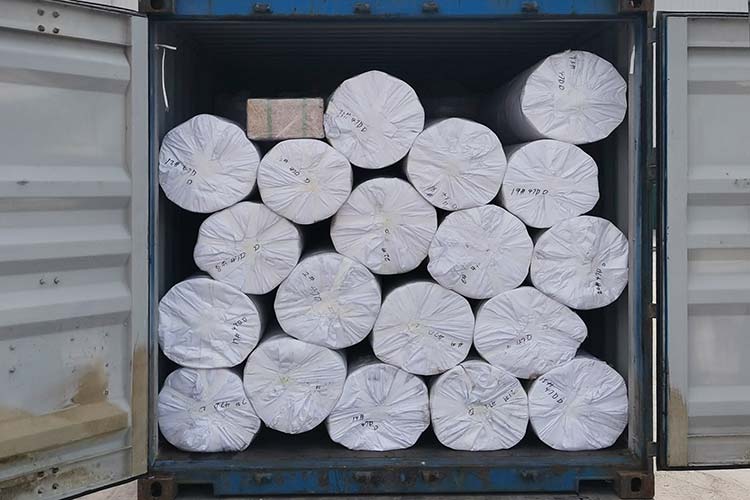
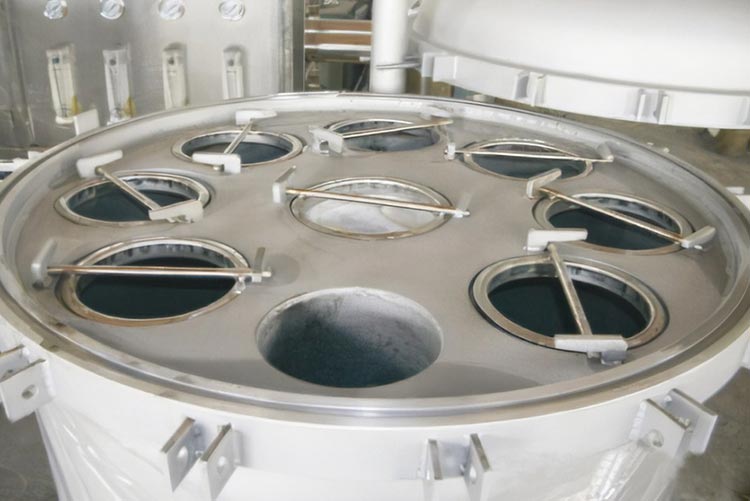
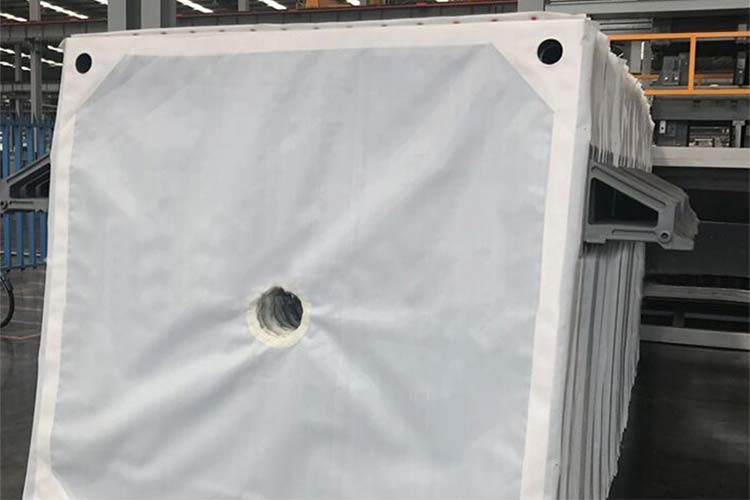
In addition to some of the advantages of ordinary needle-punched felt filter cloth, the high-quality polypropylene needle-punched felt produced by Philite® has better acid and alkali resistance and lower softening point than polyester fiber. It is used in smoke and dust temperatures below 100°C and Areas with high acidity and alkalinity. Used in conjunction with plate and frame rolling filters, vacuum suction filters, bag filters, centrifugal filters and other liquid filtration and separation equipment.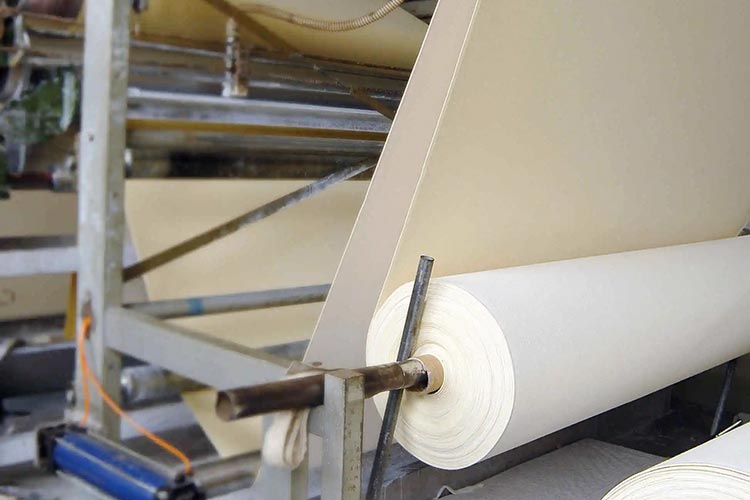
Post Processing
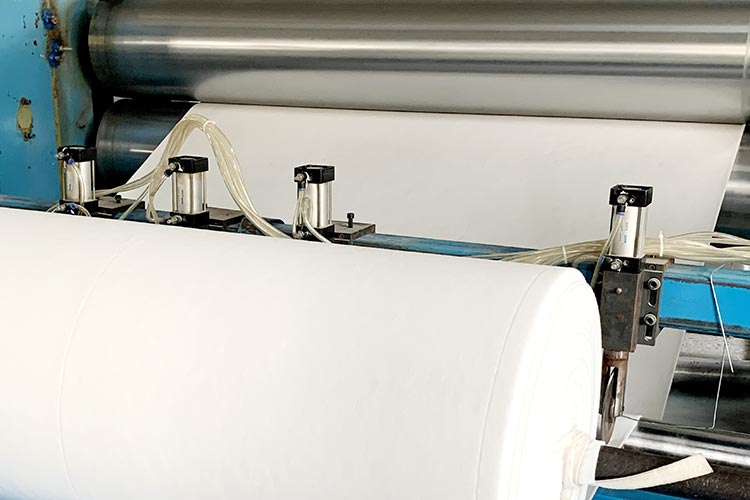
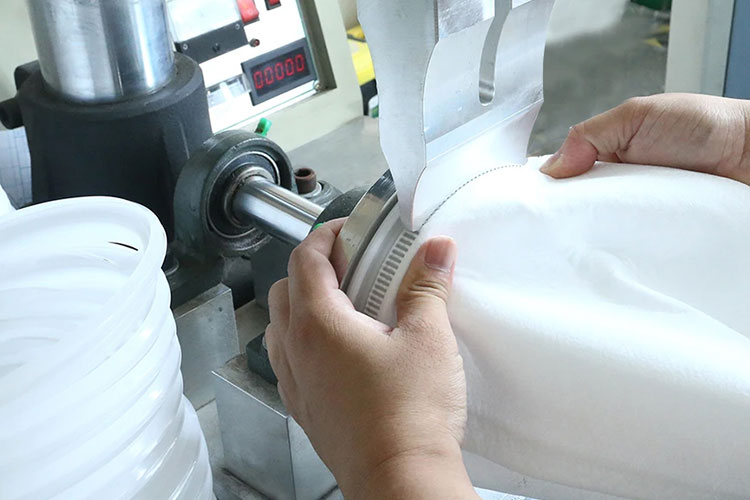
Post-processing of polypropylene needle felt involves various treatments to enhance its performance, durability, and suitability for specific applications.- Heat Setting: Stabilizes the dimensions of the felt, reducing shrinkage and ensuring consistent thickness and density.
- Calendering: Increases the density and smoothness of the felt, which can enhance filtration efficiency.
- Singeing: Removes surface fibers and fuzz to create a smoother surface, reducing the potential for clogging and improving cake release in filtration applications.
- Coating: Enhances specific properties like chemical resistance, hydrophobicity, or filtration efficiency, such as PTFE (polytetrafluoroethylene) or other chemical-resistant materials.
Our Product Advantages
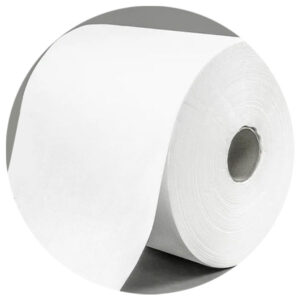

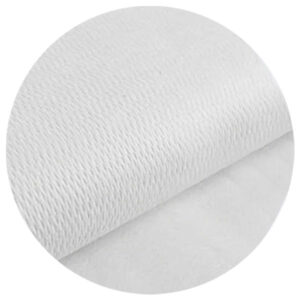 The fiber is thin The surface area is large The filtration coefficient is large The adsorption effect is better
Applications
- Air Filtration
- Liquid Filtration
- Dust Collection
- Noise Control
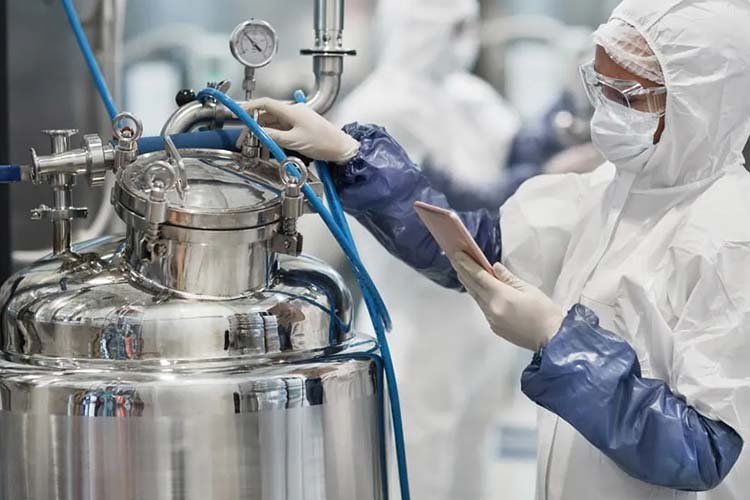
- Medical Field
- Agricultural Field
Related Products